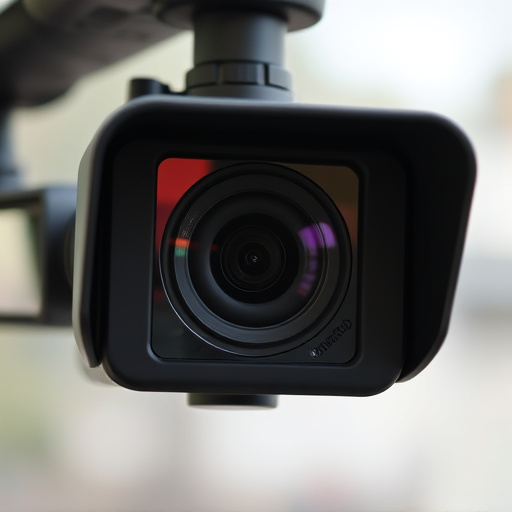
Hidden cameras, increasingly common in today's digital era, pose a serious threat to privacy. Advanced detection methods, such as strategic lighting tests and image processing algorithms, empower individuals and organizations to prevent intrusions. Lighting manipulation techniques make covert surveillance devices less visible. Analyzing visual cues like unusual lighting patterns and shadows, along with AI and machine learning, enhances detection accuracy. These advancements are crucial for safeguarding privacy in homes and public spaces from unauthorized surveillance attempts.
Unveiling hidden cameras has become a pressing concern in today’s digital age, with privacy invasion and security threats on the rise. This article delves into the world of disguised camera identification, exploring how lighting can both hide and reveal these covert devices. We’ll uncover techniques to detect hidden cameras and discuss testing methods, focusing on technologies that empower individuals to safeguard their privacy from intruders. By understanding these tactics, you can navigate spaces with enhanced awareness, protecting your personal and sensitive information.
- Understanding Hidden Cameras: A Growing Concern
- The Role of Lighting in Disguising Cameras
- Techniques for Detecting Disguised Cameras
- Testing Methods and Future Technologies
Understanding Hidden Cameras: A Growing Concern
Hidden cameras, also known as surveillance devices, have become a growing concern in today’s digital age. With advancements in technology, these tiny yet powerful tools can be easily concealed, raising significant privacy issues. Whether it’s in public spaces or private residences, the presence of hidden cameras poses a threat to personal freedom and security. Detecting these clandestine devices is crucial for ensuring safety, especially when it comes to identifying potential intruders with malicious intent.
The rise of hidden cameras has sparked a need for innovative detection methods. Traditional means often rely on manual inspections, which can be time-consuming and ineffective. However, modern solutions are emerging, utilizing advanced lighting techniques and image processing algorithms to uncover these covert recorders. By employing strategic lighting tests, it becomes possible to identify irregular patterns or anomalies that might indicate the presence of hidden cameras, empowering individuals and organizations to take proactive measures against privacy invasions.
The Role of Lighting in Disguising Cameras
In the realm of hidden cameras detecting intruders, lighting plays a pivotal role in both exposure and disguise. Strategically manipulated lighting can significantly hinder the detection of covert surveillance devices by rendering them less visible to the naked eye. This is particularly true for well-designed camera setups that utilize ambient light or incorporate LED lights specifically tailored to minimize their visual impact. By blending seamlessly with their surroundings, these disguised cameras become less likely to attract suspicion, ensuring a higher chance of remaining undetected for extended periods.
The art of lighting manipulation involves careful consideration of color temperature, intensity, and distribution. For instance, cooler light temperatures can make certain types of cameras stand out against warmer backgrounds, while precise control over light direction can cast shadows that obscure crucial camera angles. This intricate dance between light and shadow serves as a powerful tool in the arsenal of those aiming to protect their privacy from unsanctioned surveillance attempts.
Techniques for Detecting Disguised Cameras
Detecting hidden cameras, or disguised camera identification, is a critical aspect of ensuring privacy and security. Techniques have evolved to counter sophisticated methods used by individuals seeking to install hidden cameras in various settings, from homes to public spaces. One effective approach involves analyzing visual cues, such as unusual lighting patterns or shadows, which might indicate the presence of a hidden lens. By studying the interplay of light and shadow, especially in areas that are usually well-lit, security experts can identify potential disguised cameras.
Additionally, advanced imaging technologies and computer vision algorithms play a pivotal role in hidden cameras detecting intruders. These tools can process images and videos to detect anomalies, such as tiny dots or distortions that might be visible only under certain lighting conditions. By training algorithms on vast datasets of known camera locations and patterns, these systems become increasingly adept at spotting disguised cameras, enhancing the ability to protect individuals and prevent unauthorized surveillance.
Testing Methods and Future Technologies
Testing Methods and Future Technologies
Detecting hidden cameras, or hidden cameras detecting intruders, has evolved from manual inspections to more sophisticated methods. One such approach involves utilizing light-based tests, where patterns or wavelengths are manipulated to identify unusual patterns indicative of covert recording devices. These methods can range from simple shadow analysis to advanced optical sensors that detect subtle variations in lighting conditions, helping to pinpoint the location of hidden cameras.
Looking ahead, future technologies promise even more accurate and automated solutions. Artificial intelligence (AI) and machine learning algorithms are being developed to analyze vast amounts of visual data, enhancing the ability to detect hidden cameras with remarkable precision. Integrating AI into existing systems could revolutionize hidden cameras detecting intruders, making it a game-changer in ensuring privacy and security in various settings.
Disguised camera identification using lights is a complex yet evolving field, crucial in combating the growing concern of hidden cameras. As technology advances, so do the techniques for detecting these covert devices. Through understanding the role of lighting in their disguise and employing advanced testing methods, we can enhance our ability to detect and prevent the use of hidden cameras, ultimately fostering a safer environment for individuals and safeguarding privacy. By staying informed about these developments, folks can better navigate this digital era and protect themselves from surveillance threats.