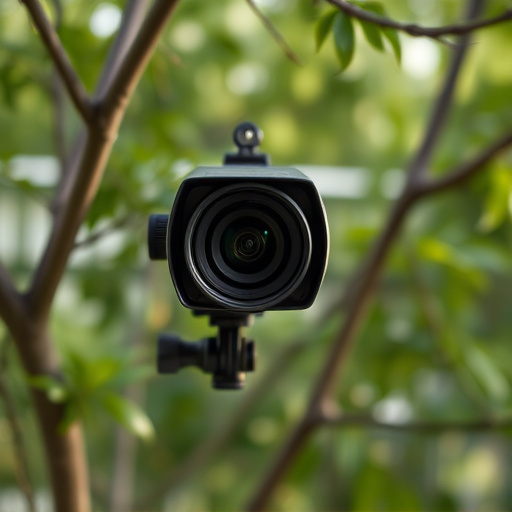
Hidden cameras, with advanced features like motion sensors and AI integration, are powerful tools for home security. Strategically placing them behind mirrors requires selecting suitable reflective surfaces, such as high-quality mirrors with anti-glare coatings or matte finishes, to enhance privacy. Camouflage techniques, like positioning a camera behind a mirror to create natural light illusions, make them nearly undetectable. However, legal and ethical considerations, including privacy laws, must be respected during installation and operation. Regular maintenance, including weekly testing, lens cleaning, and software updates, ensures optimal performance and longevity of hidden cameras detecting intruders.
Uncover the secrets behind enhancing home or business security with spy cameras strategically placed behind mirrors. This comprehensive guide explores the art of hidden camera technology for intruder detection, offering insights on choosing the perfect mirror for discreet placement and mastering camouflage techniques to blend the devices seamlessly. From legal considerations to troubleshooting tips, learn how to leverage these innovative systems while adhering to ethical guidelines.
- Understanding Hidden Camera Technology for Intruder Detection
- Choosing the Right Mirror for a Discreet Spy Camera Placement
- Mastering the Art of Camouflage: Blending the Camera with Mirrors
- Legal Considerations and Ethical Use of Spy Cameras in Homes/Businesses
- Troubleshooting and Maintaining Your Secretly Installed Spy Camera System
Understanding Hidden Camera Technology for Intruder Detection
Hidden cameras, also known as surveillance or spy cameras, have advanced significantly in recent years, becoming more compact and sophisticated while offering improved video quality and detection capabilities. These devices are instrumental in detecting intruders, especially when strategically placed in hard-to-see areas like behind mirrors. Modern hidden cameras often come equipped with motion sensors and night vision capabilities, ensuring they capture any suspicious activity or unauthorized entry attempts.
Understanding how these cameras work is crucial for effective intruder detection. Many hidden cameras use wireless technology, allowing them to transmit footage directly to a monitoring system or a connected device. Some models even integrate AI features for intelligent object recognition, enhancing their ability to identify potential intruders and differentiate them from pets or harmless movements. This technology plays a significant role in enhancing home security, providing peace of mind, and deterring unwanted visitors.
Choosing the Right Mirror for a Discreet Spy Camera Placement
When planning for a spy camera behind a mirror setup, choosing the right reflective surface is key to achieving discreet observation. Opt for high-quality mirrors that offer both exceptional clarity and privacy. Look for mirrors with an anti-glare coating or a matte finish to reduce any reflection of light sources, ensuring the hidden camera remains undetected.
Consider the size and shape of your mirror in relation to the intended surveillance area. A larger mirror can cover more ground, but it might be easier to spot when scrutinized. Smaller, custom-cut mirrors can offer a more subtle solution, especially when tailored to fit specific corners or crevices behind furniture or walls. This approach enhances the effectiveness of hidden cameras detecting intruders while maintaining a low-key presence.
Mastering the Art of Camouflage: Blending the Camera with Mirrors
Mastering the art of camouflage is key when it comes to hiding spy cameras, especially for detecting intruders in unsuspecting spaces. By strategically placing a camera behind a mirror, you create an illusion that seamlessly integrates technology into everyday reflections. The surface of a mirror can serve as a perfect disguise, reflecting light and creating shadows that mimic natural occurrences, making the device nearly invisible to the naked eye.
When incorporating this technique, consider the angle and positioning of both the mirror and camera for optimal visibility without drawing attention. A slight tilt or off-center placement can help avoid detection, ensuring that the camera captures clear footage while remaining hidden from view. This innovative approach allows you to harness the power of Hidden Cameras without compromising on their effectiveness in monitoring potential intruders.
Legal Considerations and Ethical Use of Spy Cameras in Homes/Businesses
The use of spy cameras, also known as hidden cameras, in homes and businesses has sparked debates regarding legal considerations and ethical boundaries. While these devices can serve as powerful tools for security and detecting intruders, their installation and operation must adhere to strict regulations. Many countries have laws in place that protect privacy rights, and using hidden cameras without consent can lead to severe legal repercussions.
When employing spy cameras, it’s essential to respect the privacy of individuals within the premises. The ethical use of these devices involves ensuring transparency and obtaining proper authorization when monitoring areas where expectations of privacy exist. Homeowners and business owners should be aware of local laws and consider consulting legal professionals to understand their rights and responsibilities before installing hidden cameras to prevent potential legal issues and maintain ethical practices.
Troubleshooting and Maintaining Your Secretly Installed Spy Camera System
After installing your spy camera behind a mirror, it’s crucial to ensure its optimal performance and longevity. Regular maintenance is key to keeping your hidden cameras undetected and effective in detecting intruders. Start by testing the camera’s functionality regularly, ensuring clear video feed and smooth operation. Check connections to prevent any loose wires that could compromise the system’s integrity.
For troubleshooting, be alert for common issues like distorted images, signal loss, or unexpected alerts. These could indicate faulty wiring, power supply problems, or even environmental factors like excessive heat or moisture affecting the camera’s performance. Regular cleaning and dust removal from both the camera lens and mirror surface are essential to maintain picture quality. Additionally, keep software updated for enhanced security features and better intrusion detection capabilities.
In conclusion, integrating hidden cameras behind mirrors offers a sophisticated solution for detecting intruders while maintaining aesthetic appeal. By understanding advanced camera technology, selecting suitable mirrors, and addressing legal and ethical guidelines, homeowners and businesses can effectively safeguard their spaces. Regular maintenance ensures optimal performance, making this approach a reliable method to deter unwanted visitors and protect valuable assets.