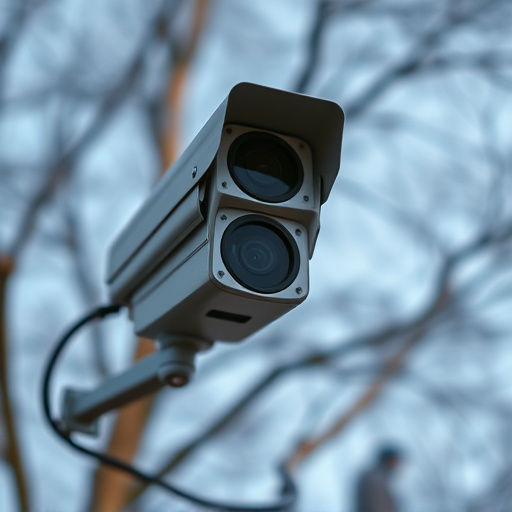
“Uncover the power of hidden cameras in enhancing home and business security with this comprehensive guide. We explore the art of pinhole camera installation, highlighting optimal locations for discreet yet effective monitoring. From understanding these compact devices’ role in detecting intruders to ethical considerations, we provide valuable tips for strategic placement. Learn how to navigate privacy laws while leveraging hidden cameras as powerful tools for peace of mind.”
- Understanding Pinhole Cameras and Their Role in Security
- Choosing Discreet Installation Locations for Optimal Visibility
- Tips for Effective Hidden Camera Placement to Detect Intruders
- Ethical Considerations and Legal Implications: Navigating Privacy Laws
Understanding Pinhole Cameras and Their Role in Security
Pinhole cameras, also known as hidden cameras, are a discreet and effective tool for security purposes. These miniature devices, fitted with a tiny lens opening, capture images or videos without attracting attention, making them ideal for detecting intruders or monitoring sensitive areas. By installing pinhole cameras in strategic locations, homeowners, businesses, and property managers can enhance their surveillance capabilities.
Their small size allows them to be placed in almost any space, from narrow crevices to everyday objects, ensuring a covert watchful eye. This technology offers a silent guardian, enabling users to stay alert about potential security breaches. With high-quality hidden cameras, it’s possible to capture clear images and videos, providing valuable evidence should an incident occur.
Choosing Discreet Installation Locations for Optimal Visibility
When installing a pinhole camera, discretion is key for effective security. Opt for locations that offer optimal visibility while remaining hidden from prying eyes. This could mean positioning them in corners or behind objects like signs or plants, leveraging natural camouflage to keep them undetected.
Consider areas where potential intruders might not immediately suspect a camera, such as peepholes or small crevices. The goal is to make the camera nearly invisible while ensuring it captures clear, detailed footage. By strategically choosing these discreet locations, you enhance the effectiveness of hidden cameras in detecting intruders, providing enhanced security for your property.
Tips for Effective Hidden Camera Placement to Detect Intruders
When installing hidden cameras for detecting intruders, strategic placement is key. Opt for locations that offer unobstructed views of access points and potential entryways. Trees, bushes, or other natural obstructions can be advantageous, as they provide cover for your camera while still allowing clear sightlines. Consider high-traffic areas within a property, such as entrances, hallways, and common rooms, as these are prime spots for unauthorized individuals.
In addition to visibility, ensure the camera has adequate lighting or is equipped with infrared capabilities for night vision. Mounting the camera at eye level or slightly elevated can help capture clear images of faces and bodies, enhancing identification possibilities. Regularly review footage to familiarize yourself with the layout and identify any unusual activity patterns that might indicate a potential intruder.
Ethical Considerations and Legal Implications: Navigating Privacy Laws
When installing a pinhole camera, or any hidden camera system for that matter, it’s crucial to understand the ethical considerations and legal implications involved. While these devices can be powerful tools for security and surveillance, they also raise significant privacy concerns. In many regions, there are strict laws governing the use of hidden cameras, particularly in public spaces, homes, and workplaces.
Navigating privacy laws is essential to ensure compliance and avoid potential legal repercussions. For instance, some jurisdictions require explicit consent from individuals being recorded, especially in private areas like bedrooms or bathrooms. Additionally, the placement of these cameras should respect personal privacy, avoiding situations where they can record activities without knowledge or consent, such as hidden cameras detecting intruders in places where people expect privacy.
Hidden cameras, discreetly installed in strategic locations, can be a powerful tool for detecting intruders and enhancing security. By understanding the unique role of pinhole cameras and carefully selecting installation spots that maximize visibility while respecting privacy, homeowners and businesses can create an effective surveillance system. Ethical considerations and compliance with privacy laws are paramount, ensuring these measures protect individuals without infringing on their rights. With the right approach, hidden cameras can serve as a valuable asset in safeguarding properties and peace of mind.